

Sustainability and Energy Efficiency in the Real Estate Sector: The Future of Green Living
The real estate sector is undergoing an unprecedented green revolution. Driven by increasingly stringent regulations and growing environmental awareness, the future of construction is becoming more sustainability-oriented. By 2030, every building must reach at least Energy Class E, marking a significant shift for property owners, investors, and developers. In this scenario, innovation and the adoption of new technologies will be the pillars of the ecological transition.
1. European Regulations Changing the MarketThe European Union has outlined an ambitious strategy to reduce the environmental impact of the real estate sector. Key directives include:
-
EPBD (Energy Performance of Buildings Directive): A plan to make all buildings zero-emission by 2050.
-
Minimum energy class requirements: By 2030, all buildings must achieve at least Class E, with a further improvement to Class D by 2033.
-
Phase-out of energy-intensive buildings: From 2040, high-consumption buildings will gradually be eliminated.
-
Incentives for sustainable renovations: Subsidies for energy-efficient upgrades.
The goal? To reduce the energy consumption of the building sector, which currently accounts for over 40% of CO₂ emissions in Europe.
2. Technologies for a More Sustainable Real Estate SectorTechnological innovation is at the core of the green transition. Here are the most effective solutions for improving building energy efficiency.
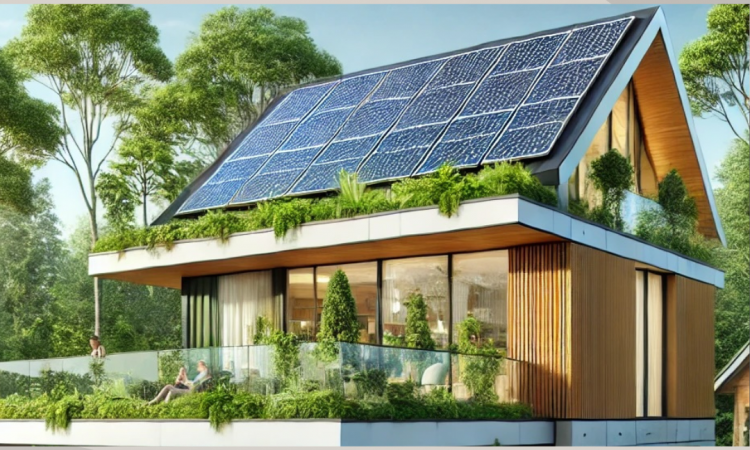
Solar Energy and Photovoltaic SystemsThe adoption of solar panels is increasing rapidly, thanks to lower installation costs and government incentives. Key benefits include:
-
Clean energy production and reduced reliance on the grid.
-
Lower utility bills and increased property value.
-
Access to tax deductions and installation subsidies.
Effective insulation is crucial for reducing energy demand. The most advanced solutions include:
-
Thermal cladding with high-performance insulating materials (rock wool, aerogel, cork).
-
Triple-glazed windows to minimize heat loss.
-
Green roofs that improve insulation and reduce urban heat.
Sustainability also depends on material choices. Emerging trends include:
-
Low-CO₂ cement.
-
Recycled and eco-compatible bricks.
-
FSC-certified wood, sourced from responsibly managed forests.
-
Eco-friendly paints and coatings, free from toxic substances.
Smart homes are becoming increasingly common. Smart technologies enable:
-
Energy optimization through intelligent thermostats.
-
Reduced energy waste, thanks to automated LED lighting.
-
Real-time energy consumption monitoring with digital management systems.
To support the green transition, the government and the EU offer various incentives for those investing in energy efficiency:
-
Superbonus 110% (now 70-90%): Tax deductions for energy efficiency and seismic improvement projects.
-
Ecobonus (50-65%): Incentives for renewable energy installations and thermal insulation.
-
Conto Termico: Grants for heat pumps and sustainable heating systems.
-
Sismabonus: Subsidies for structural safety improvements, combinable with other tax deductions.
These tools offer great opportunities for property owners and investors, allowing them to cut renovation costs and increase property value.
4. Why Invest in Sustainable Real Estate?Investing in a green home is not just an ethical choice—it brings tangible benefits.
For Property Owners and Investors-
Increased property value: Sustainable buildings are more in demand.
-
Lower operating costs: Energy efficiency means lower utility bills.
-
Greater market appeal: Green properties sell faster.
-
Greater living comfort: Healthier environments with stable temperatures and cleaner air.
-
Savings on energy consumption: Less waste, more efficiency.
-
A holistic approach to well-being: Spaces designed to enhance quality of life.
-
Reduction in CO₂ emissions, helping combat climate change.
-
Lower ecological impact, with recycled and sustainable materials.
-
Greater energy savings, with buildings designed to consume less.
Sustainability is no longer optional—it is essential for the future of the real estate market. Green buildings will become increasingly sought after, thanks to their economic, environmental, and living benefits. For those in the industry, adapting to new standards is not just a growth opportunity but also a winning strategy to remain competitive.
If you want to learn more about making a property more sustainable or discovering which incentives can help you, keep following our blog and video content. The future of living is already here, and it's getting greener.
