

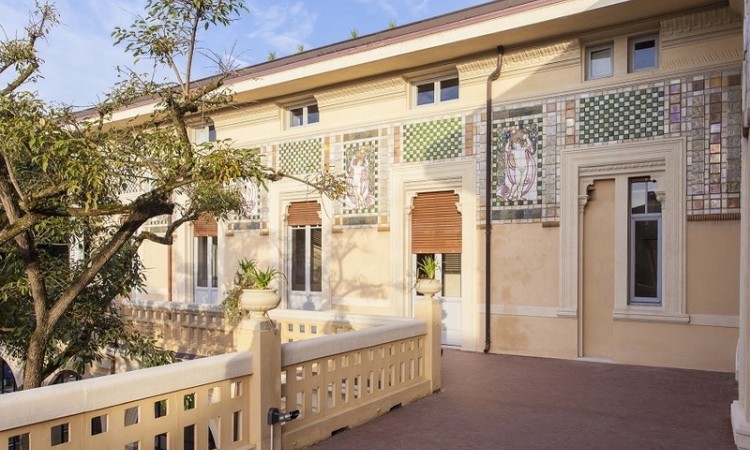
The “Viareggina”: Architecture and Folk Tradition
Among the building types that best tell the story of Viareggio, the “viareggina” undoubtedly stands out—a form of architecture born in harmony with local culture and the needs of this seaside town.
These homes, typically one or two stories high, with a horizontal layout and a small rear garden, are now considered a defining feature of Viareggio’s urban fabric. But beyond their aesthetic appeal, the viareggina holds a piece of local popular history.
During the summer months, it was customary for Viareggio families to rent out the main part of their home to vacationers. This provided a significant source of income during the warmer months, when the city came alive with tourists. Meanwhile, the homeowners would retreat to a small structure at the back of the garden—often a former tool shed or a modest outbuilding—temporarily adapted for residential use.
At the time, what we now call “gardens” were often full-fledged vegetable plots, carefully cultivated and essential for family sustenance. This gave the entire home a practical, land-rooted character, despite its seasonal function.
A distinctive element of viareggina architecture is the small secondary door, usually located near the edge of the property, adjacent to the neighboring unit. This little door led to a long side corridor running alongside the house to the far end of the garden, where the so-called “house at the bottom of the garden” stood—the family’s summer retreat.
Wealthier families, on the other hand, could rely on larger viareggine or multi-level villas, with wider gardens and true outbuildings designed from the start as living quarters.
This practice tells a story not only of architecture, but also of the enterprising and welcoming spirit of Viareggio’s people. Even today, many houses in the city retain this double soul: an elegant facade facing the street, and a small hidden structure tucked into the greenery—witness to a past shaped by resourcefulness, hard work, and hospitality.
