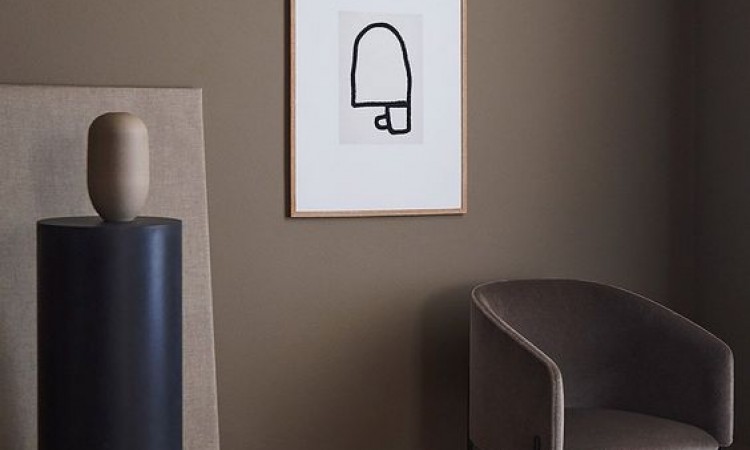
To match the color of the walls
We often tend to stay sober and neutral, playing with whites, beiges, and dove grays, or we opt for intense and determined colors. In both cases, the choice of color is not wrong, but always remember to consider the context, the function of the room, and harmony.
If you love neutral colors, they work in every room of the house, but don't remain rigid; play with shades and accents. In a kitchen, stick to whites, but depending on the furnishings, create a warm white or almost ivory if you have wood. If the furniture leans towards grays, work with icy tones and cool whites tending towards blues. You'll do the same in the living area, where you can be a bit more assertive, loading whites with character. This is a relaxation area that doesn't require decisive lighting but rather a velvety coloration that relaxes.
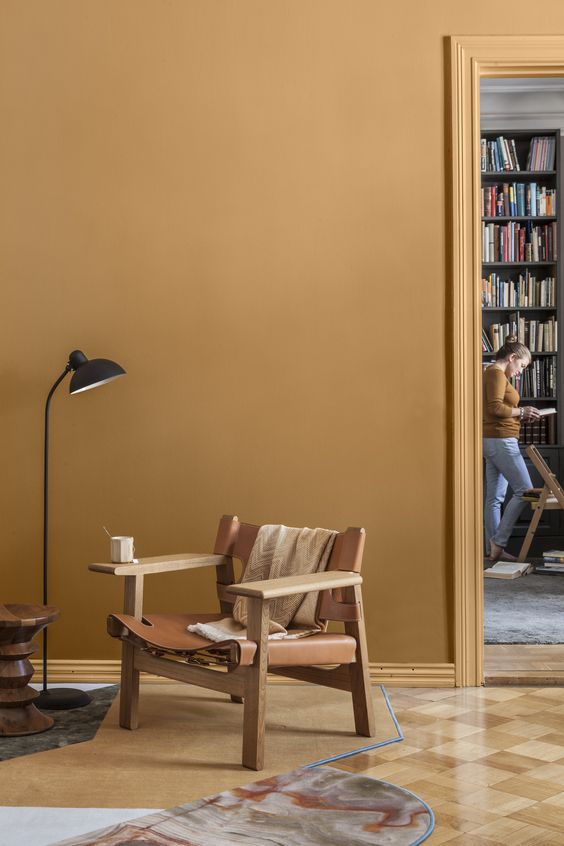
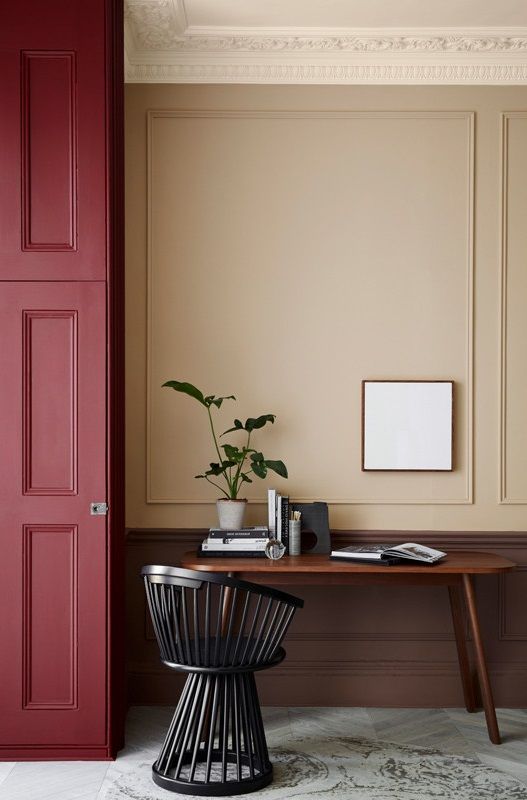
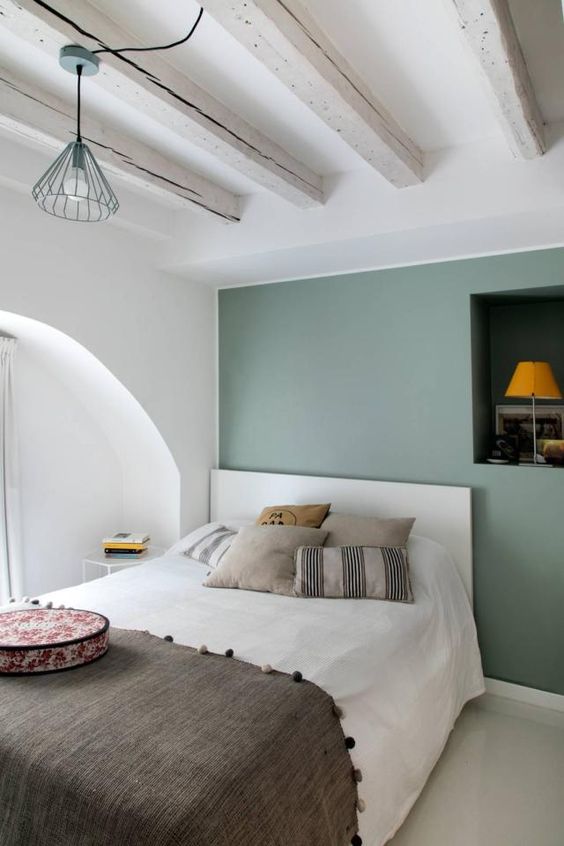
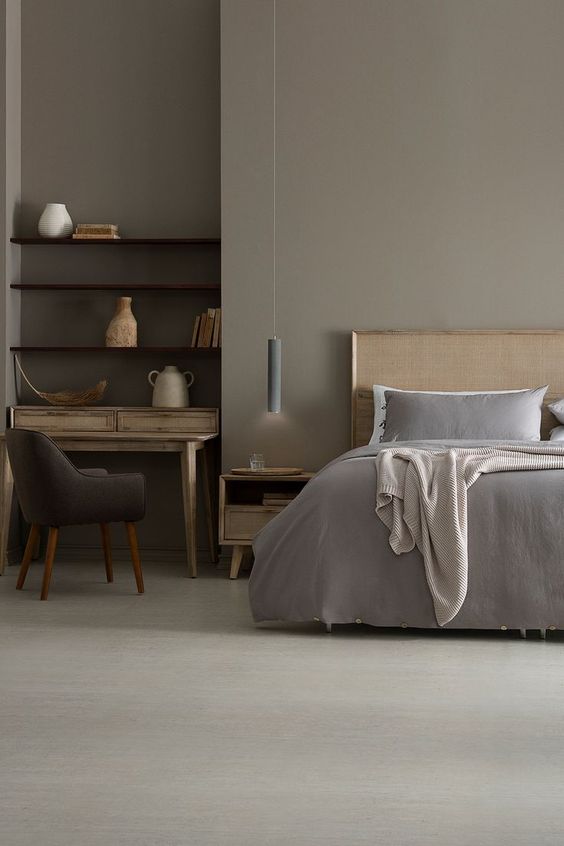
In the bedroom, you can allow yourself to use taupe, grays, and even intensify the color by two or three tones compared to the rest of the house. The bedroom is an area where relaxation and rest require softness and comfort, and a more intense but neutral color will undoubtedly achieve an excellent result.
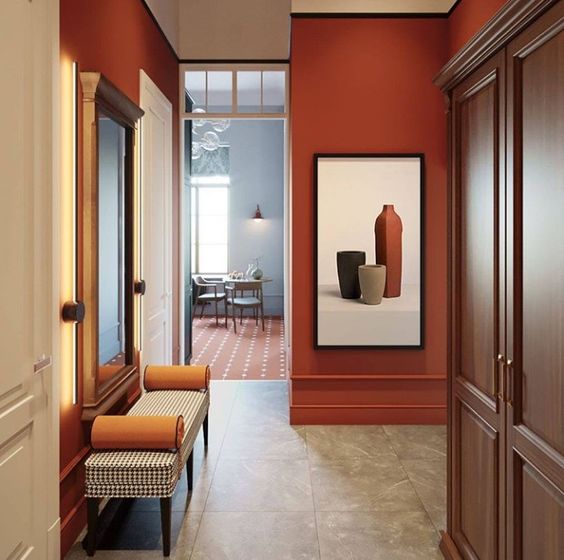
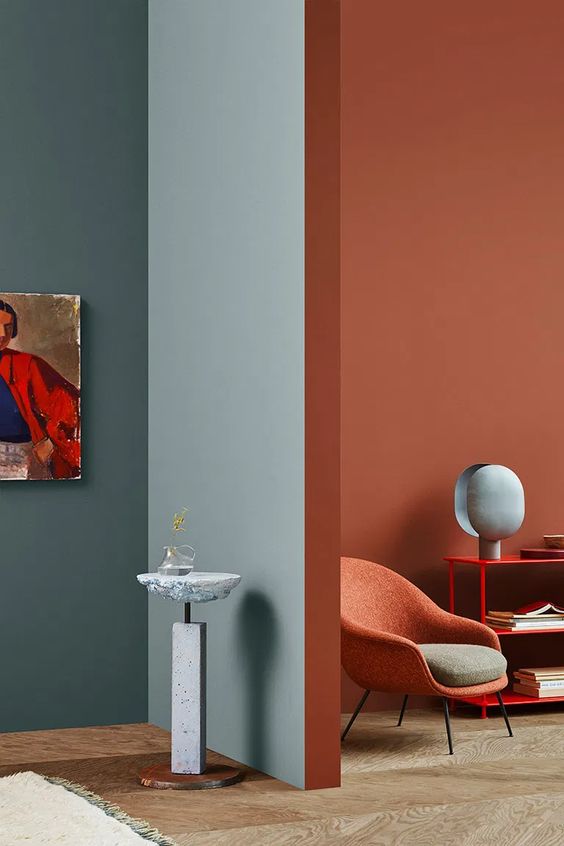
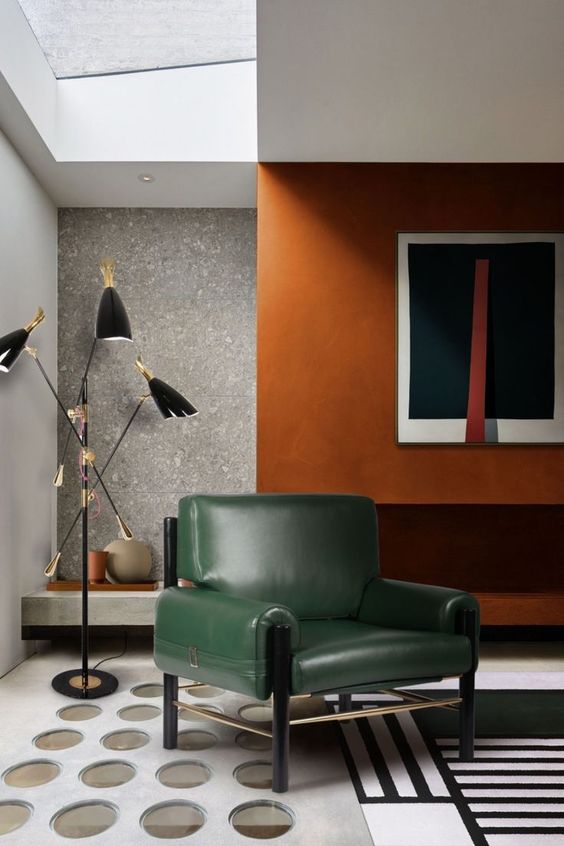
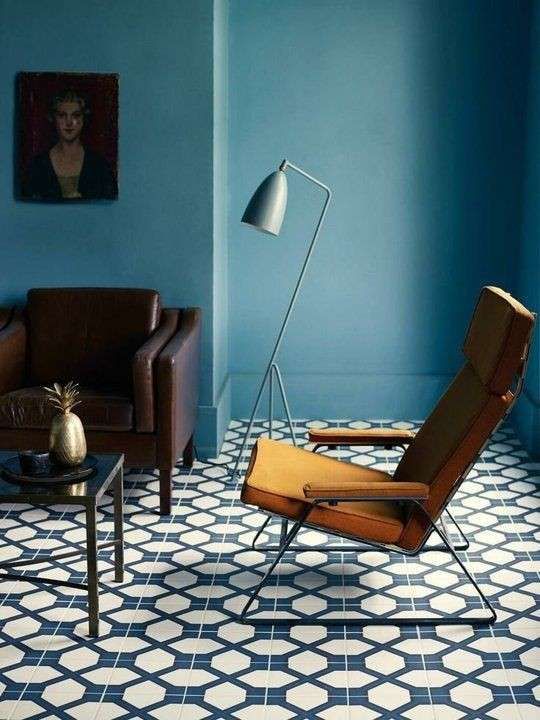
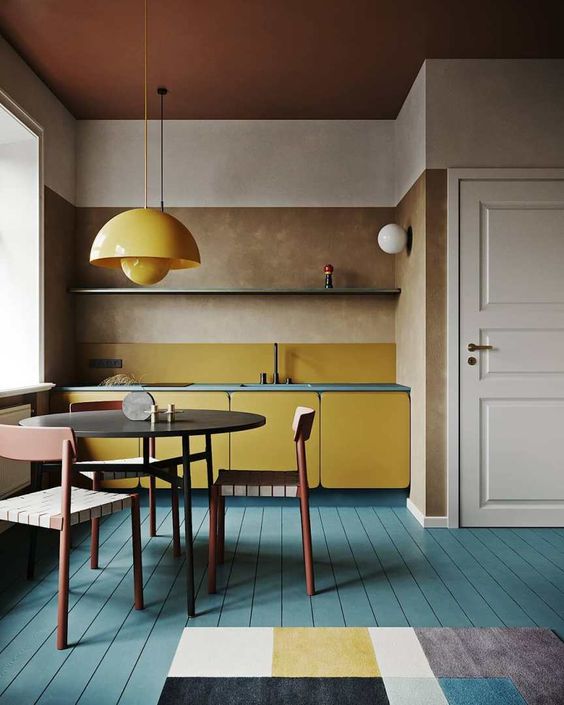
Are you lovers of colors? Okay, but be careful; choose a color palette that represents you the most to harmonize the house. Always remember that the energy of color determines the rooms. In the living area, if you love warm colors, you can be decisive, but in the sleeping and living areas, tone down the hues a bit to make the environments more restful. If you love dark colors, on the other hand, tone them down in the living area, especially in the kitchen, which is an operational zone requiring constant light for optimal use. In the living and sleeping areas, dare, but always remember harmony and elegance.