

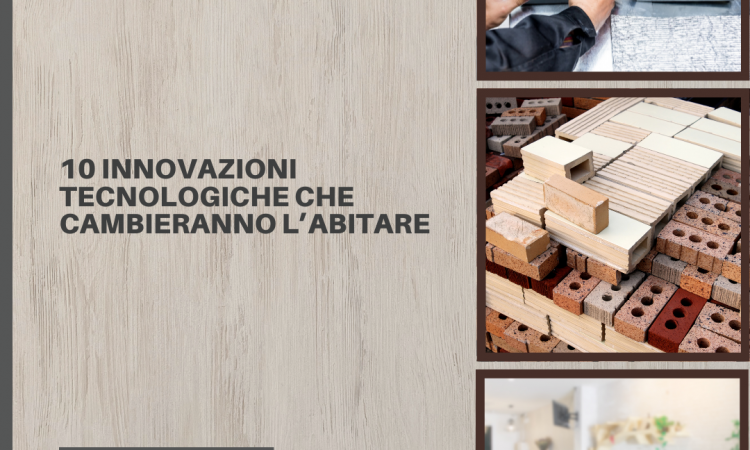
The Home of the Future: 10 Technological Innovations That Will Change the Way We Live
The future of housing will increasingly focus on advanced technological solutions that are sustainable and comfortable. The real estate market will rapidly adapt by embracing innovative solutions capable of radically transforming our perception of living spaces. Below are ten technological innovations that will profoundly redefine how we live in our homes.
1. Zero-Energy BuildingsFuture homes will be designed to produce their own energy using renewable sources such as next-generation solar panels and advanced energy storage systems, like lithium or graphene batteries. This approach eliminates external energy dependency and significantly reduces environmental impact and energy costs.
2. Advanced Smart HomesFuture home automation systems will seamlessly integrate lighting, heating, security, intelligent appliances, and even garden irrigation. Using sensors and predictive algorithms, homes will adapt to occupants' habits, optimizing comfort and energy savings.
3. Innovative and Sustainable MaterialsTechnological innovations will introduce ecological and high-performance building materials. Examples include self-cleaning cement that employs photocatalytic processes to remove dirt and atmospheric pollutants autonomously, bio-bricks made from recycled or agricultural waste materials, and thermally insulating paints that enhance energy efficiency. Additionally, smart glass technologies will automatically regulate internal lighting and temperature according to external environmental conditions, further improving energy efficiency.
4. Advanced Water Treatment and Recycling SystemsInnovative domestic systems will enable the treatment and reuse of greywater and rainwater through sophisticated recycling technologies, significantly reducing domestic water waste.
5. Intelligent Ventilation SystemsIntegrating natural and mechanically controlled ventilation through smart systems will ensure optimal air circulation, humidity control, and air quality regulation, significantly enhancing the health and well-being of inhabitants.
6. Smart Home SecurityFuture intelligent security systems will incorporate facial recognition, biometric access control, HD surveillance cameras with remote monitoring, and advanced motion sensors, providing comprehensive and personalized home protection.
7. Integration of Virtual and Augmented RealityAugmented and virtual reality technologies will enable future homeowners to visualize and customize living spaces before construction begins, facilitating informed decision-making and precise design choices.
8. AI-Based Intelligent Home Automation SystemsVoice assistants and AI-based systems will manage domestic functions automatically and predictively. These systems will learn occupants' preferences, optimize energy consumption, adjust internal climate conditions, and simplify daily tasks.
9. Modular and Adaptable BuildingsFuture homes will be constructed with modular structures easily adaptable over time, allowing quick reconfiguration of internal spaces to accommodate evolving family needs through versatile architectural solutions.
10. Vertical Green Spaces and GardensIntegrating vertical gardens and green roofs will naturally enhance thermal insulation, reduce energy demand for cooling and heating, and significantly improve air quality, promoting psychological and physical well-being for residents.
SummarizingThe homes of the future will prioritize environmental sustainability, energy efficiency, and unprecedented living comfort. Investing today in these technological innovations will ensure high-quality living environments, ecological responsibility, and sustained property value over the long term.
