

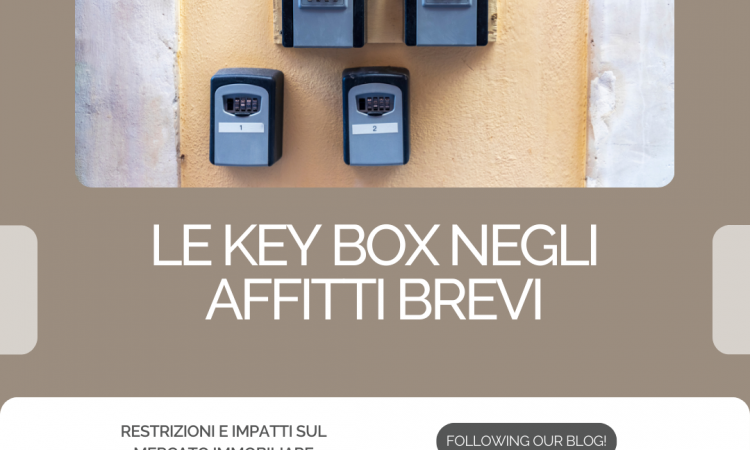
Key Boxes in Short-Term Rentals: Restrictions and Market Impact
In recent months, several Italian cities have introduced restrictions on the use of key boxes in short-term rentals. These devices, which allow guests to check in without direct interaction with the owner, have been subject to new regulations aimed at ensuring greater security and preserving urban decorum.
Florence: Absolute Ban on Key BoxesThe Florence City Council has recently banned the installation of key boxes in public areas or where they are visible from public spaces. This decision, incorporated into the Urban Police Regulations, imposes fines of up to 400 euros for violators.
The installation of a single keypad per building is allowed, provided it has been authorized by the condominium assembly. Property owners have ten days from notification to remove existing key boxes, or authorities will proceed with their forced removal.
Rome: Massive Key Box RemovalRome has also launched an operation to eliminate illegally installed key boxes. Starting from January 29, a task force composed of local police officers and specialized workers began removing around 100 devices per day in the Monti district.
The tourism councilor emphasized that these boxes tarnish the city's image and compromise the quality of its hospitality services.
Reasons for the RestrictionsThe main reasons behind these restrictions are:
-
Security: Self check-in through key boxes does not guarantee adequate identity verification of guests, increasing the risk of hosting dangerous individuals or those involved in criminal activities.
-
Urban Decorum: The proliferation of key boxes on building facades, especially in historic city centers, is considered unsightly and detrimental to the city's image.
Industry associations have expressed concern about these measures.
Valerio Nicastro, president of Host Italia, highlighted that removing key boxes increases costs and operational difficulties for managers. Lorenzo Fagnoni, president of Property Managers Italia, called Rome's initiative a "political move," emphasizing that key boxes have multiple legitimate uses beyond self check-in, such as managing cleaning services and providing maintenance access.
Implications for Property OwnersOwners of properties used for short-term rentals must comply with the new regulations by organizing in-person check-ins to ensure direct guest identification.
It is advisable to check specific municipal regulations and consider alternatives to key boxes, such as installing smart locks with integrated identity verification systems.
ConclusionThe recent restrictions on key boxes in short-term rentals represent a significant change in Italy's tourist real estate sector. These measures, driven by security concerns and urban heritage protection, pose new challenges for property owners and managers, who will need to find alternative solutions to ensure efficient and legally compliant guest reception.
