

Buying a Home in Italy in 2026: Updated Rules, Real Costs and What Foreign Buyers Should K
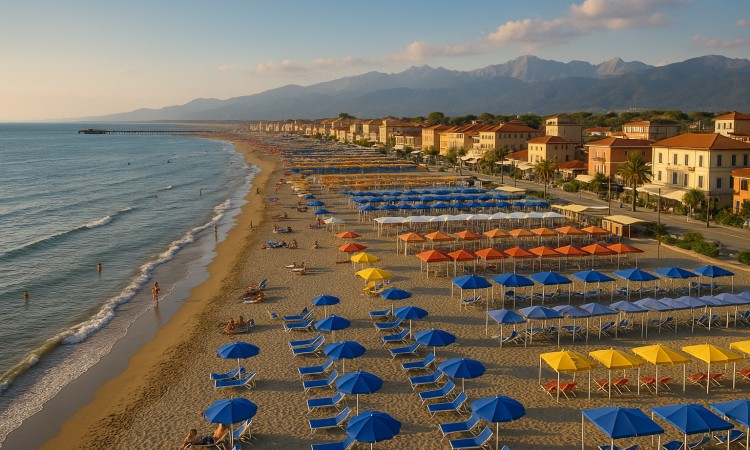
Italy continues to attract international buyers thanks to its lifestyle, climate, culture and high quality of life. The property market remains dynamic, especially in regions such as Tuscany, Versilia and the Lucca hills, where foreign demand has been steadily growing.
However, buying a home in Italy requires understanding specific rules, documents, costs and procedures. This guide summarises everything an international buyer should know in 2026.
1. Market Overview 2026: Stable but Highly Selective
The Italian property market shows overall stability. Buyers focus increasingly on energy efficiency, structural quality and outdoor spaces.
Coastal and countryside areas in Tuscany – particularly Versilia, Camaiore, Massarosa and Lucca – remain among the most requested by European and US buyers.
A slight improvement in mortgage conditions and a more stable economic outlook support demand, although rising construction costs push many clients toward already-renovated properties.
2. Who Can Buy a Property in Italy in 2026
Foreign citizens can purchase property in Italy with very few restrictions.
In general, buyers fall into one of these categories:
-
EU and EEA citizens
-
Non-EU citizens from countries that have a reciprocity agreement with Italy
-
Non-EU residents holding an Italian residence permit
All major nationalities currently active in the Versilia–Lucca area can buy freely.
3. Required Documents for Foreign Buyers
To make a formal offer, buyers should prepare the following:
-
valid passport or EU identity card
-
Italian tax code (codice fiscale)
-
residential address
-
power of attorney if the buyer cannot be present
-
bank reference letter or proof of financial reliability (often required by banks)
Having these documents ready strengthens the offer and accelerates the process.
4. How the Offer Process Works in Italy
The Italian purchase procedure differs from many other countries.
Purchase Offer
A legally binding document for the buyer, usually accompanied by a deposit. Terms, deadlines and any suspensive conditions must be clearly defined.
Preliminary Agreement (Compromesso)
It legally secures the deal. It includes the agreed price, payment schedule, deadlines and technical checks. The confirmatory deposit protects both parties.
Final Deed (Rogito)
Signed in front of an Italian notary, who verifies compliance in all areas: title, urban planning, cadastral records, mortgages, provenance and taxes.
5. Real Costs in 2026: How Much You Should Budget
Beyond the purchase price, buyers should consider:
-
purchase taxes (2% to 9% depending on the case)
-
notary fees
-
sworn translations when required
-
technical due-diligence and urban planning checks
-
possible renovation costs (averaging 1,800–3,000 €/m² in 2026)
-
annual property taxes such as IMU for second homes
The total cost varies significantly depending on the location and nature of the property.
6. Mortgages for Foreign Buyers: 2026 Conditions
Italian banks remain selective, but procedures are now clearer for non-residents.
Typical conditions include:
-
financing up to 60–70% of the property value
-
documented and verifiable income
-
assessment process of 6–8 weeks
-
opening an Italian bank account in most cases
A pre-qualification from a bank strengthens an offer considerably.
7. Common Mistakes Foreign Buyers Should Avoid
The Italian system is technical and highly regulated. Frequent mistakes include:
-
confusing cadastral records with urban planning compliance
-
underestimating due-diligence timelines
-
ignoring landscape and renovation restrictions
-
presenting offers with excessive timing flexibility
-
using vague or invalid suspensive conditions
Relying on a skilled local agent prevents delays and unnecessary risks.
8. Focus on Versilia and Lucca: What Foreign Buyers Look For
International clients typically seek:
-
sea view or panoramic countryside locations
-
outdoor living spaces usable year-round
-
renovated or easily upgradable homes
-
proximity to services and the coastline
-
independent or semi-independent buildings
Top requested areas include Viareggio, Camaiore, Massarosa, Pietrasanta, Lido di Camaiore and the hills around Lucca.
9. How LT Immobili Supports International Buyers
Foreign clients appreciate professional guidance through each phase: document preparation, technical checks, negotiations, coordination with notaries and surveyors, and ongoing communication throughout the process.
The goal is to simplify every step, anticipate problems and provide a transparent, stress-free purchasing experience – especially for those who do not live full-time in Italy.
